
Decatur County Arrest Warrants Explained
Tennessee Rule of Criminal Procedure 4 governs how a warrant starts. A complaint or affidavit goes to a magistrate or an authorized clerk, and if it establishes probable cause, the court can issue an arrest warrant or a summons. The order names the offense and tells an authorized officer to bring the person before a magistrate. In Decatur County, General Sessions and magistrates are the usual entry points, and felony matters may move to Circuit/Criminal Court in the 24th Judicial District. Keep one caution in mind. A filed complaint does not prove a warrant was ever issued, so ask the clerk for the case entry and the process entry before assuming anything, and direct service questions to the Sheriff. The Tennessee Rules of Criminal Procedure lay out the full Rule 4 framework statewide.
Rule 4 Probable Cause in Decatur County
How does the probable-cause review work? A complainant, often an officer, lays out facts in a complaint or affidavit. A magistrate or authorized clerk then decides whether those facts meet the legal standard. If they do, the court may issue an arrest warrant, or a summons where one is allowed. That review is separate from the Sheriff's later job of serving the order. Venue matters here too. General Sessions handles preliminary criminal matters locally, while Circuit/Criminal Court tries felony cases in the 24th Judicial District. The clerk can tell you which court holds the file, and in Decatur County it is worth asking rather than guessing from which agency investigated.
Inside a Decatur County Arrest Warrant
The blank General Sessions form shows the schema, not a filled Decatur County case. Expect a State Control Number, a Case Number, defendant and offense fields, an issuing signature and date, and an officer-return area. Decatur County publishes no local number format, bond label, or app field list.
| Identifier | Local warrant number format not published |
|---|---|
| Case number | Points to the court file; ask whether Decatur uses a court or year prefix. |
| Complaint/offense | States the basis and charge language in the order. |
| Issuing authority | Magistrate or authorized clerk; signature and date identify the issuance. |
| Officer return | Can record execution and return details; it does not decide the case. |
| Bond | No fixed county schedule is published; confirm amount and type with the court. |
The blank Tennessee General Sessions form is the source for these field names.
The image contains only form fields; no person's filled-in information appears here.
Reading Decatur County Warrant Number Fields
The form splits a statewide control number from the court case number, and the two serve different purposes. Decatur County publishes no number pattern and no sample active entry, so do not rely on a guessed year-and-sequence format. Ask the clerk which identifier the specific filing uses. When you call, give the court name, the legal name in the case, a birth date, the approximate date, and any citation or case number you have. The clerk can also explain whether a number belongs to Circuit, General Sessions, or a city court. What the public app or court interface will display stays unknown until you open it.
Serving Arrest Warrants in Decatur County
Who actually shows up with a warrant? The Decatur County Sheriff's Office lists warrant service among its duties and serves the county, while city police agencies work within the local dispatch network. Depending on the order and jurisdiction, the Tennessee Highway Patrol or another authorized officer may serve process instead. The county publishes no division commander and no warrant-specific phone line. After service, a person may be booked and brought before a magistrate or court. Decatur County confirms a jail at the Sheriff location but posts no intake sequence or bond-window hours. Ask which court set the next appearance, and hold onto the bond or release paperwork.
Decatur County Sheriff and City Warrant Service
Service depends on the order and the agency assigned. The Decatur County Sheriff is the confirmed countywide warrant-service office. The three city departments operate within their own local public-safety systems, and no rule maps every city warrant to one officer or guarantees city police serve city process.
| Agency | Documented Role | Public Route |
|---|---|---|
| Decatur County Sheriff | County chief law-enforcement agency; warrant service | 731-852-3703 |
| Decaturville Police | City police; dispatched through county 911 | City court contact: 731-852-2034 |
| Parsons Police | City department identified on official safety page | City contact: 731-847-6358 |
| Scotts Hill Police | Police department and City Court contact published | 731-549-3175; emergency 911 |
For process issued outside Decatur County, confirm the issuing jurisdiction before asking Decatur staff about release.
Comparing Arrest, Summons, and Bench Warrants
A summons orders an appearance without an arrest command. A bench warrant follows a missed court duty, while an arrest warrant comes after a probable-cause review of a complaint or affidavit. The local clerk can say which process a Decatur County case uses. For missed-date recall steps, see the Decatur County bench warrant search.
| Feature | Arrest Warrant | Summons | Bench Process |
|---|---|---|---|
| Purpose | Directs an officer to arrest | Commands an appearance | Brings a person back after noncompliance |
| Starting point | Complaint and probable cause | Authorized court process | Existing case or court obligation |
| First contact | Issuing court and Sheriff | Court named on summons | Court that set the date |
A Decatur County Warrant Arrest Does Not End the Case
Service is just one event in a case. The officer's return may note that the order was served, and booking and magistration come next. The court sets release terms and the next date, not the officer. A bond secures appearance; it does not dismiss the charge or lift every separate hold. The Tennessee Department of Correction lists the Decatur County Jail front lobby as a courtesy-reporting site for supervision, which is a probation reporting spot rather than a warrant-clearance desk. Ask the Sheriff where intake happens, and ask the court how service will appear on the docket. The official pages show what each office itself reports.
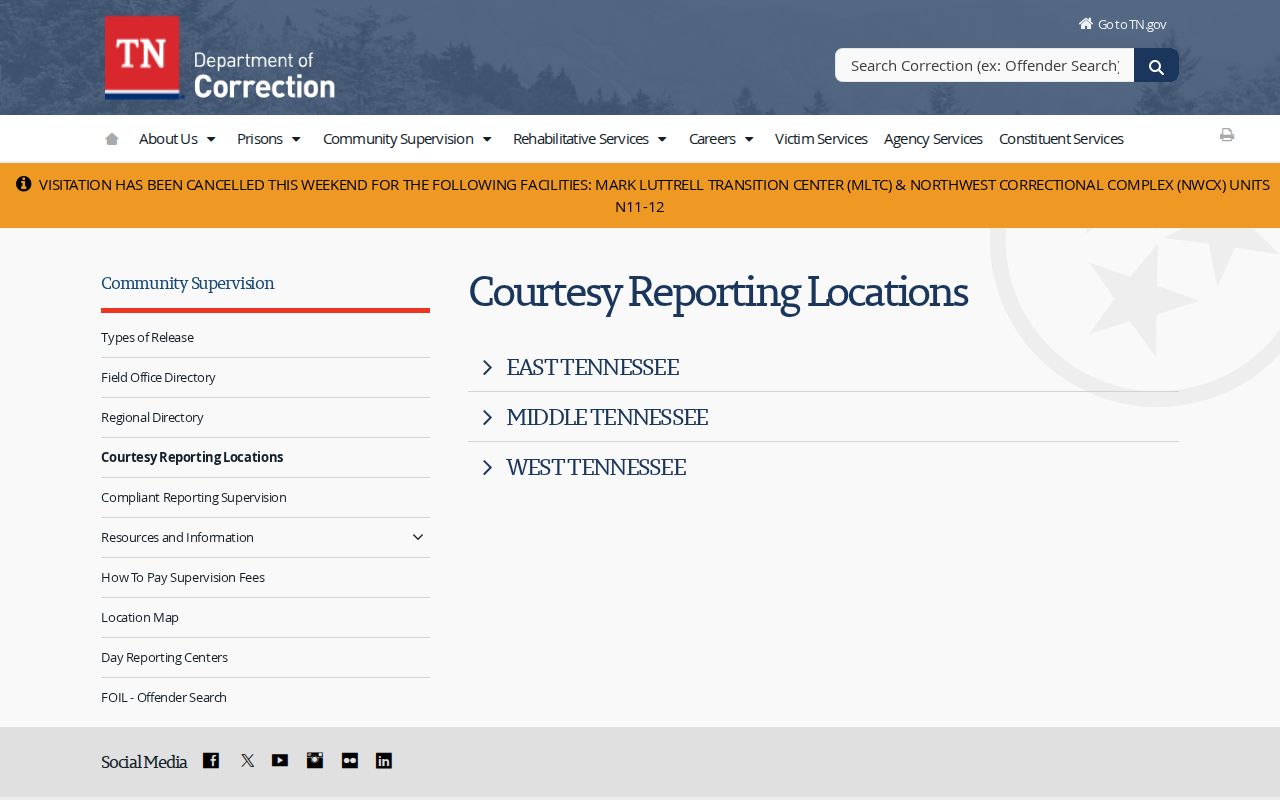
The DOC listing helps distinguish courtesy reporting from booking or surrender instructions.
If There's an Arrest Warrant for You
Pin down the issuing court, the case number, the process type, and any hold from another jurisdiction. A lawyer can review the docket, seek a motion to recall or quash where available, and plan an appearance. The Sheriff can confirm service or holding details, but only the court can recall its own order in Decatur County.
Important: Call counsel and the issuing court before appearing; ask the Sheriff about intake, bond, and any other hold before traveling.
If told to surrender, ask what ID and paperwork to bring, where to report, and which bond methods are accepted. No Decatur County office publishes these steps as a walk-in promise. Keep the court order and any receipt after release.
Federal Warrants Leave the Decatur County Docket
Federal matters in this part of the state land at the Western District of Tennessee's Eastern Division, which sits in Jackson. PACER is the public docket tool there. It shows filings, not a full active-warrant list. A sealed filing may never surface on it. The U.S. Marshals Service and other federal agencies handle that process, sometimes with local partners. A Decatur County warrant search cannot resolve a federal arrest warrant, so ask counsel if the Sheriff mentions a hold from another jurisdiction. The Jackson federal court location page gives the official division route.